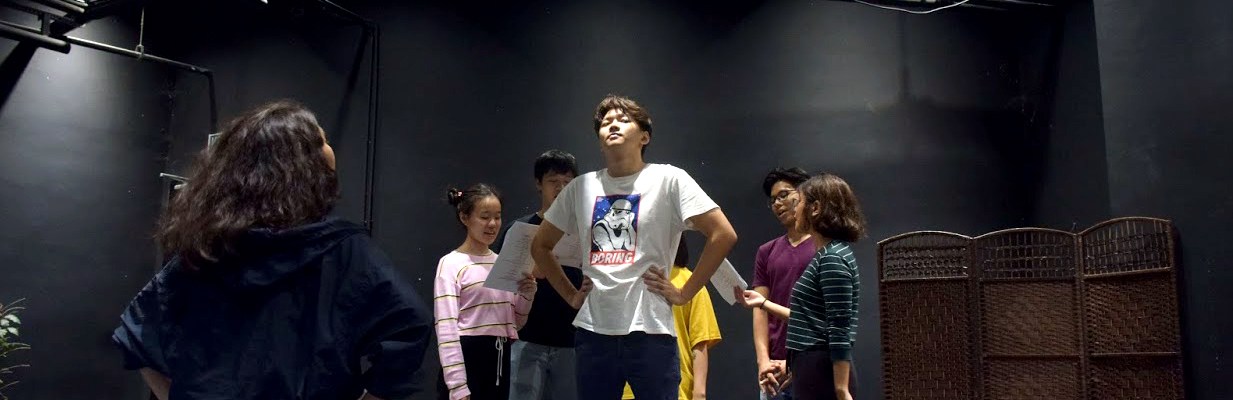
LAD’s One Act Play Festival 2019
Rehearsals
One thing I have always done when being a director is made an active effort to build a healthy relationship with my cast and crew. I’ve always found that it is the people you work with and the memories you make with them that makes directing worth it in the end.
Starting rehearsals with physical and vocal warm-ups’ is important, but I find that spending the first 10 minutes or so in the beginning of rehearsals to just unwind, relax, and have casual conversations with your cast is essential in creating an arena for your actors to feel safe and not judged in. Getting to know your actors also allows you to better understand their personality, what they see in the play and their characters, and how you can work together to create this vision. Remember, every successful play is made from a collaboration of people’s efforts.

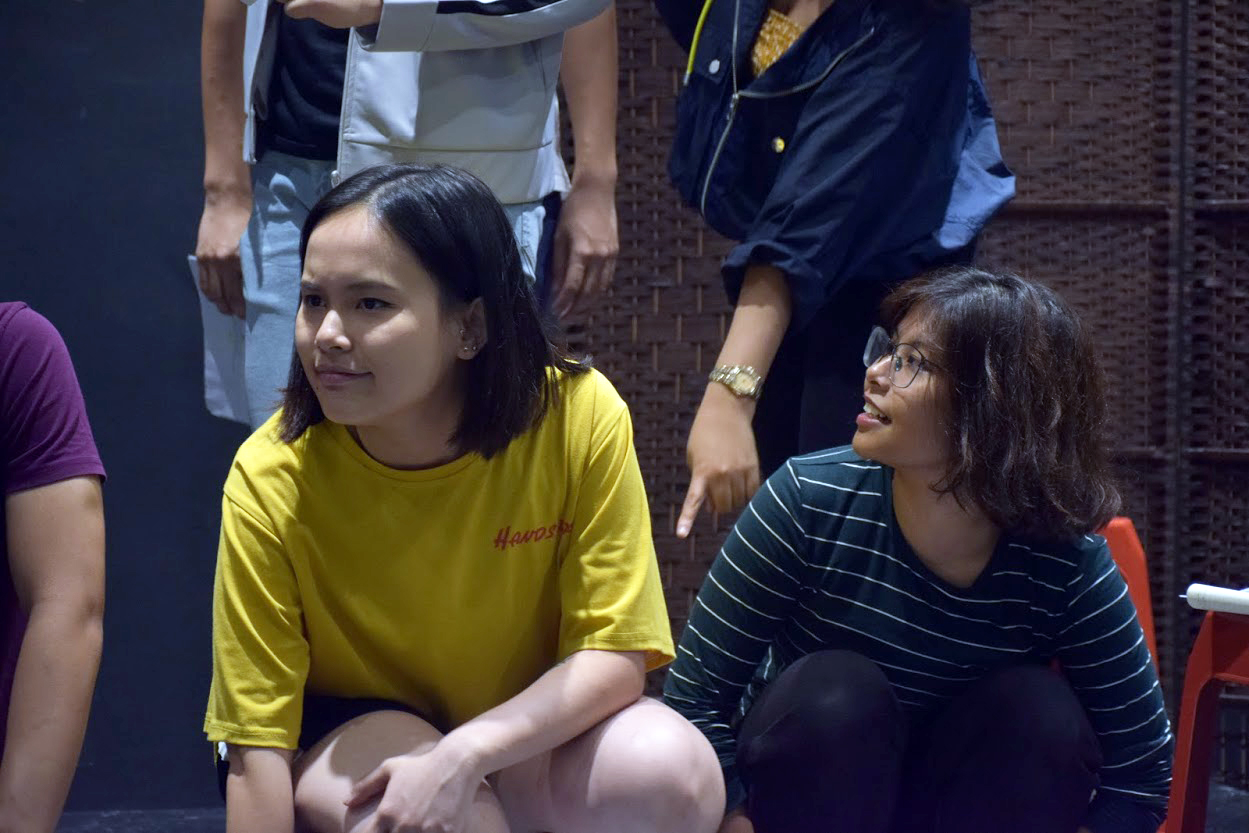
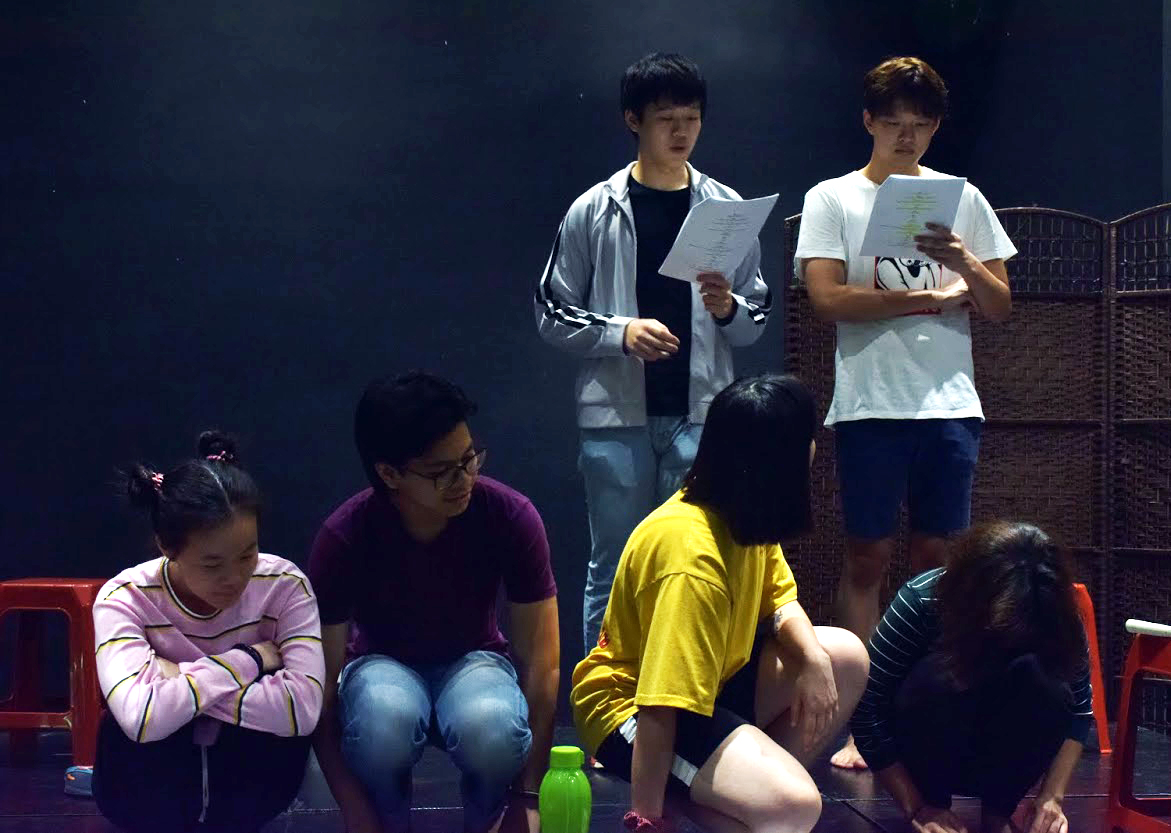
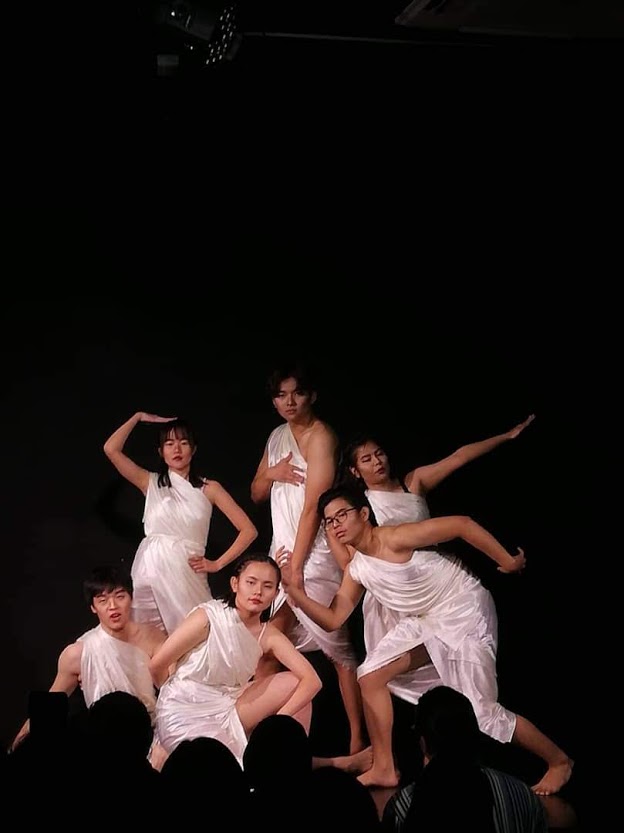
Although my piece was a choreography-based performance, with stylised movements and dialogue, I was still very flexible and willing to change any movements and lines. Directors need to always be aware of the fact that the cast plays these characters, and sometimes you need to change things to suit your actor(s). Be adaptable and open to other opinions.
Listen to your cast and crew’s ideas. Ask them what they think about the staging or choreography. Sometimes your cast will have a better insight to specific things, and can even provide better ideas than you originally thought of. Though there is a limit to this; you as the director have the final say on how you want your play to be – which is why you have to have a vision and direction you can lead your cast towards.
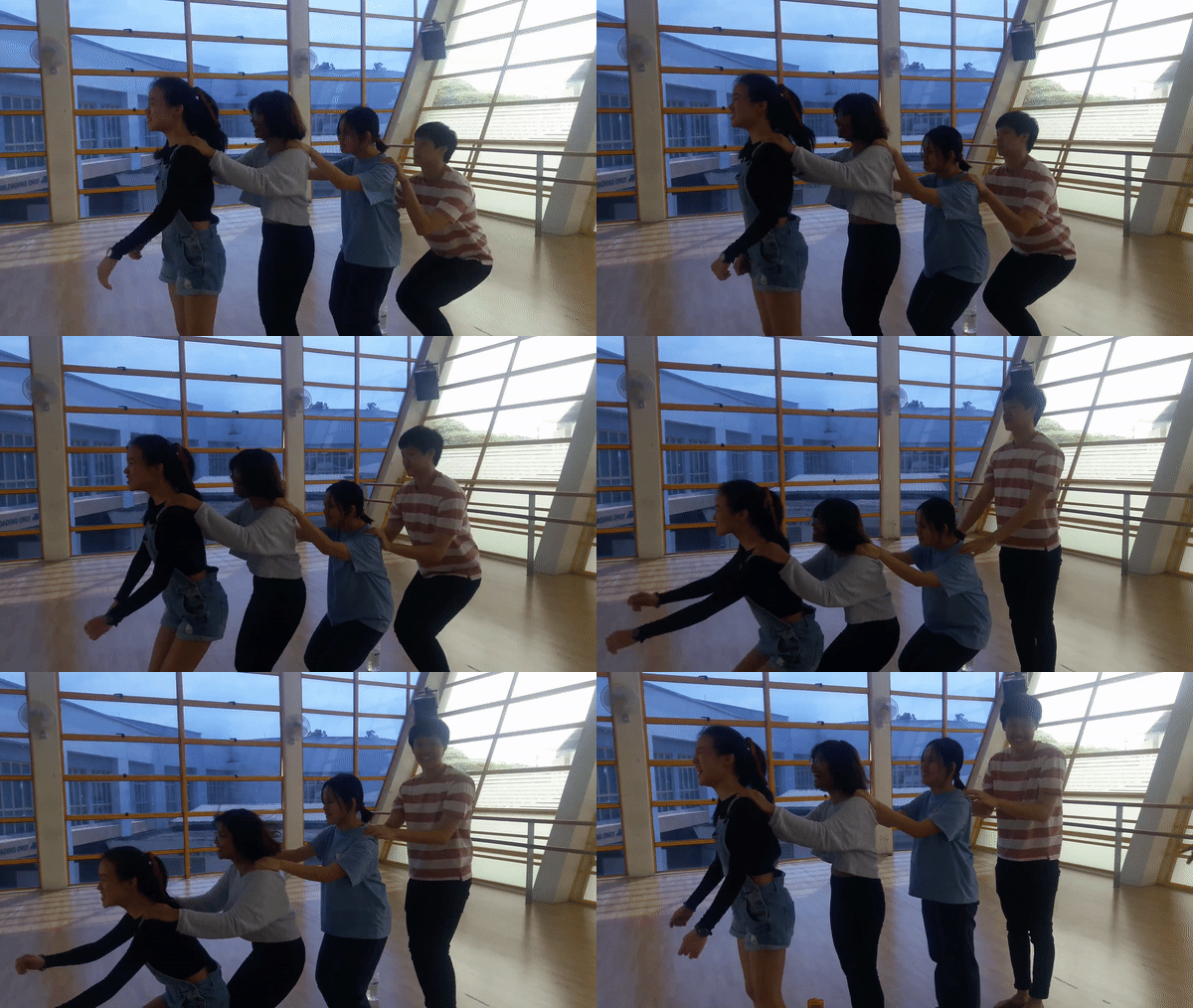
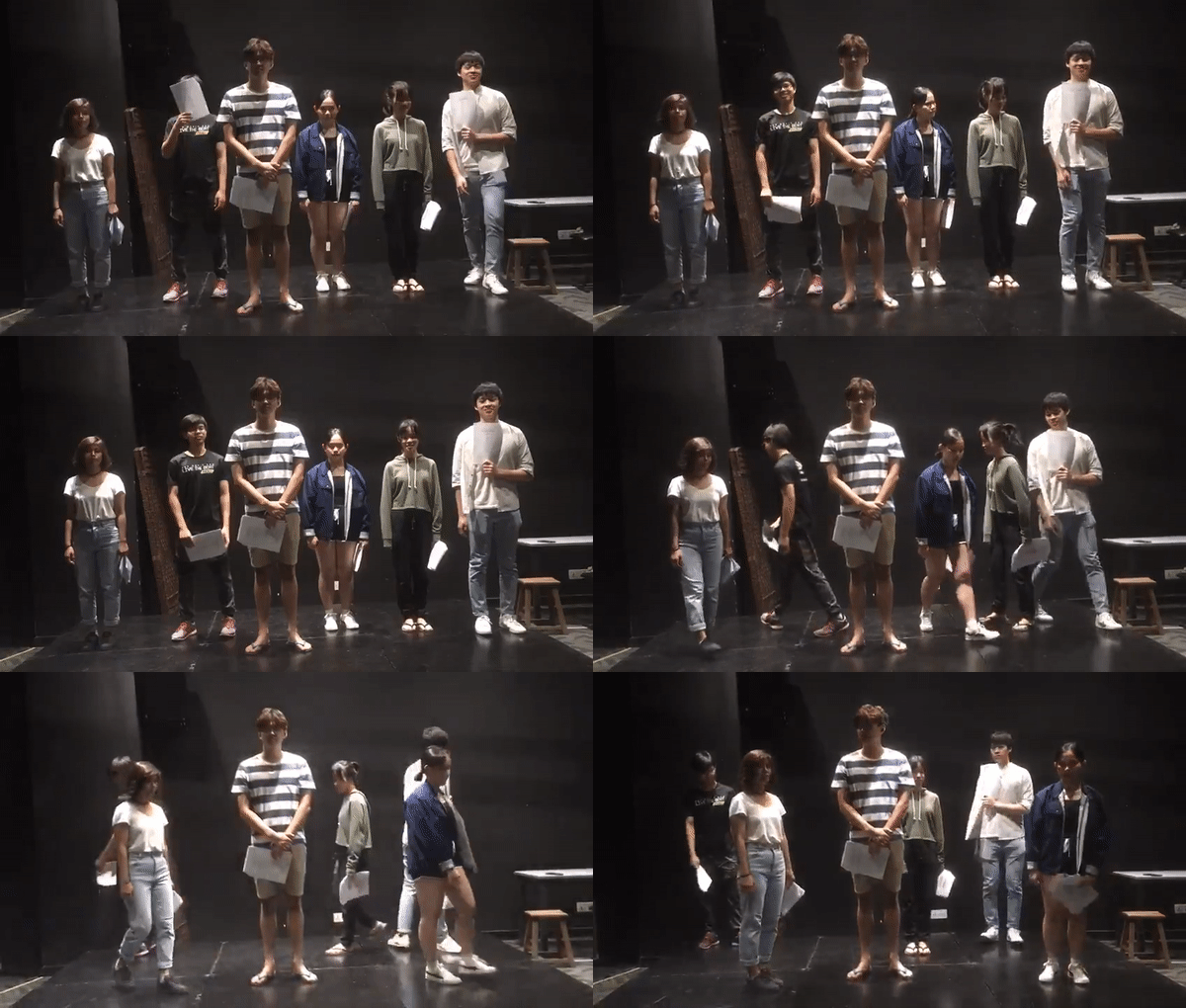
Break down your script into sections, and divide your rehearsals to follow these sections. Don’t rehearse the entire play in one shot – that’s something you do during full-rehearsals. When rehearsing, it’s best you allocate rehearsal time to focus on specific scenes. That way, you can concentrate on details and transitions. A tip I found yourself is to always underestimate how much you can do in an hour. It’s better to focus on one scene rather than two. Explore, polish, refine and define – rehearsals are a process, a journey that transforms.
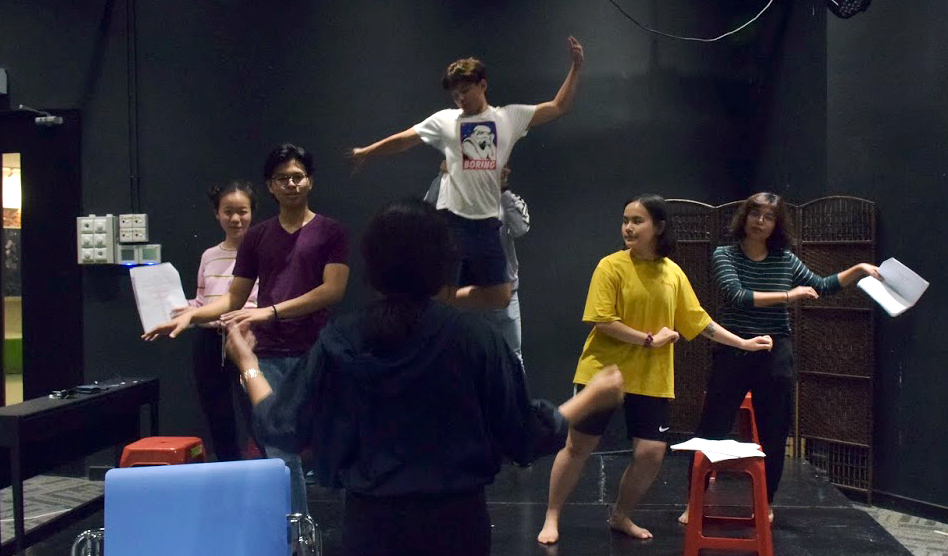
I personally like taking on a more active role when I direct. You would always find me participating with my cast, moving with them or acting alongside them. It’s a personal style perhaps, but I don’t like to take a back-seat. I believe that telling someone how to do something can be very different to actually doing it yourself, and so it’s sometimes better to experience it yourself to truly understand their position. Be sure to give your cast breaks!
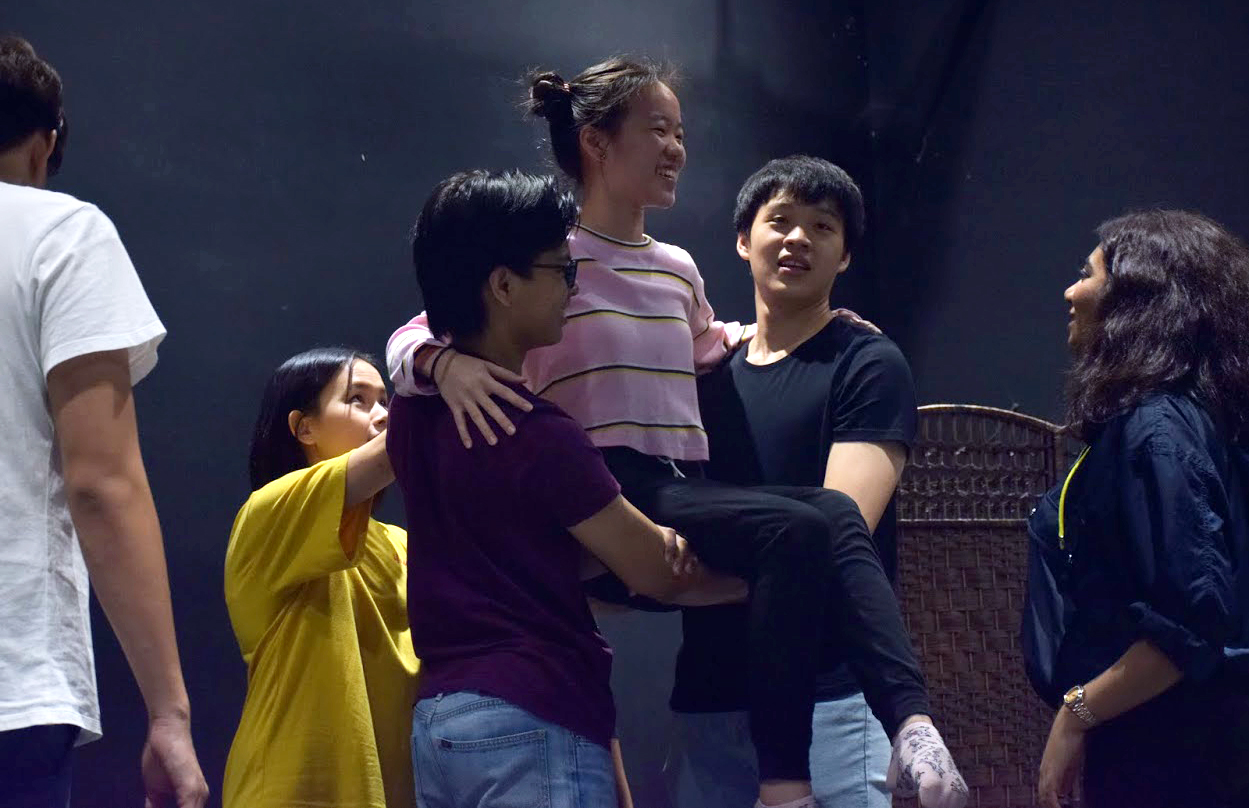
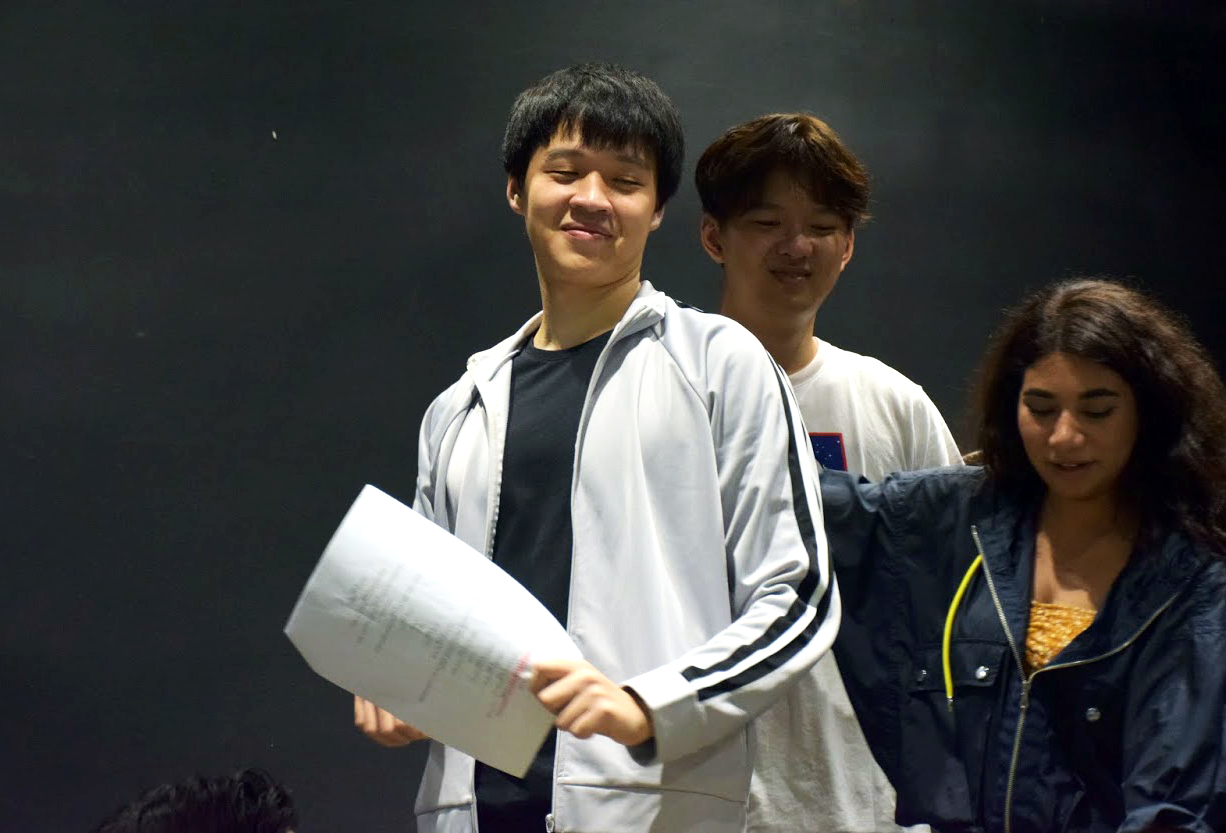
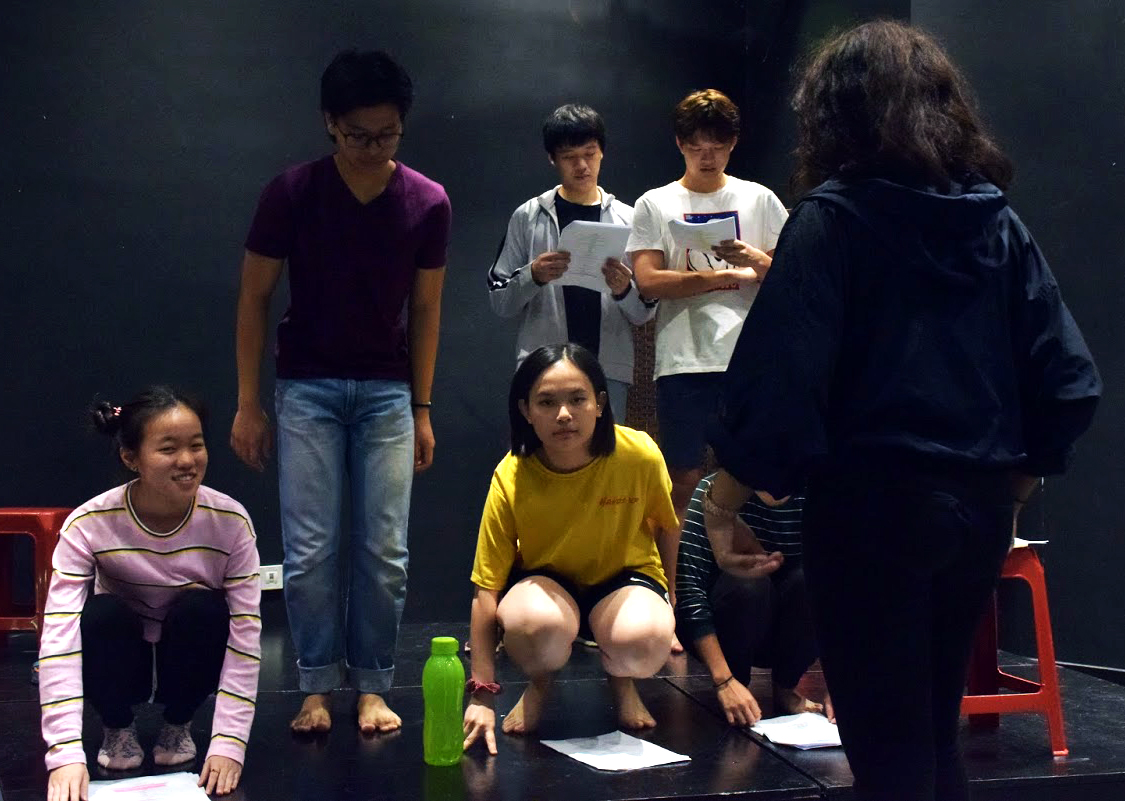
Rehearsals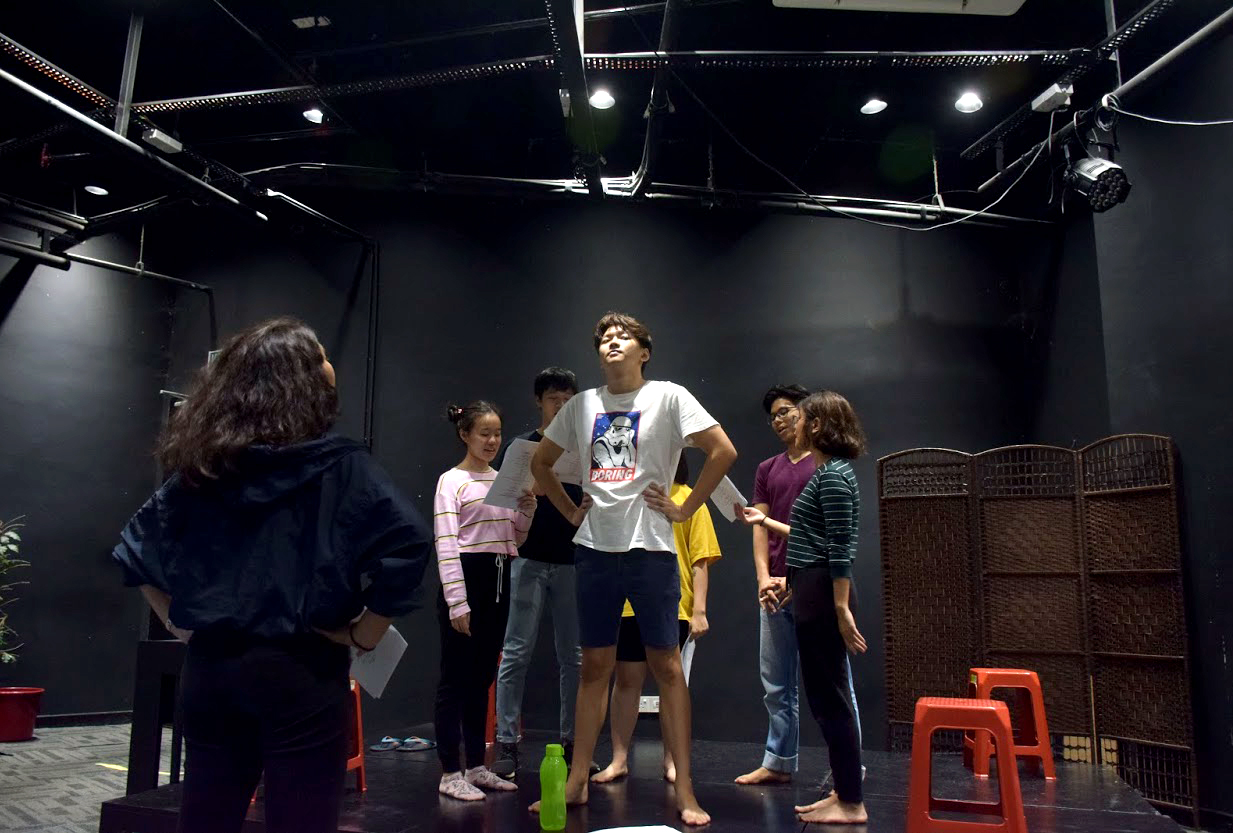
Creating a fun and open area for my actors was one of my priorities, because I too wanted to create a good experience for them. Engaging with them was a good way to create this atmosphere.
For many of my actors, it was their first time acting. My play was experimental, and a new form of expression for many. Being a physical piece, my actors had to develop a sense of security in their bodies in order to use their physicality to express and symbolise emotions and settings. Acting can be something personal, and even more so is body language, so being sensitive and respective of my actors is always important. Understand that rehearsals is a process, and you can slowly build up your actors confidence.
A compilation of rehearsals and behind-the-scenes preparation for The Literature and Drama Society’s One Act Play Festival 2018/2019, performed at The University of Nottingham, Malaysia Campus. Video-graphing and Editing by Behind the Curtain (Mila).
physicality and voice
Additional to the use of physicality, my play had a lyrical approach to lines. Half of the lines were written as rhyming poems with rhythms and beats. The fact that these lines were meant to be said in unison – to reinforce the Greek Chorus element – meant that time in rehearsals had to be dedicated to how lines were said.
The danger with lines being said in unison is that audiences can’t clearly hear what’s said because words become jumbled together. Having variation and enunciation was a key technique in helping with this. Additionally, my cast found difficulty in delivering lines, and had a tendency to become monotone. I understood that having a lot to remember and focus on, such as choreography and timing of lines was a lot to take on for an actor. So, I slowly worked together with them to overcome this obstacle. The poem acted as a narration to the story, and by adding vocal expressions, tones, volumes and even pitches, it ensured that lines were said coherently and clearly, but also said with energy.
From pacing, rhythms, beats and pauses – everything was rehearsed. Additionally, vocal projection was something I really pushed for because no mics were used in the final performance.
I was blessed with such an amazingly supportive cast and a fantastic technical team. There were times when we would try a certain choreography, only later to scrap the idea and stage it differently. They were so open to explore new ways of doing things with me, and were willing to try all of my crazy ideas. They believed in my vision, and gave their all in rehearsals and on the performance night. Because of their patience, kindness, determination and friendship, I was able to stage this play.
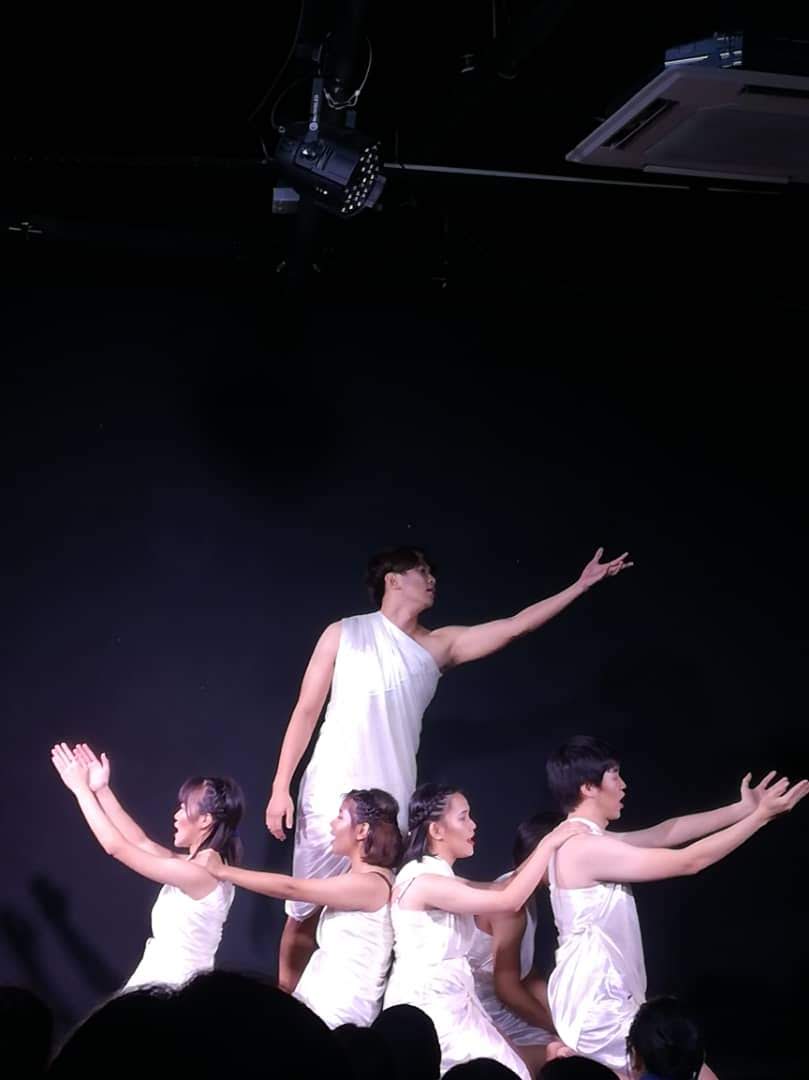
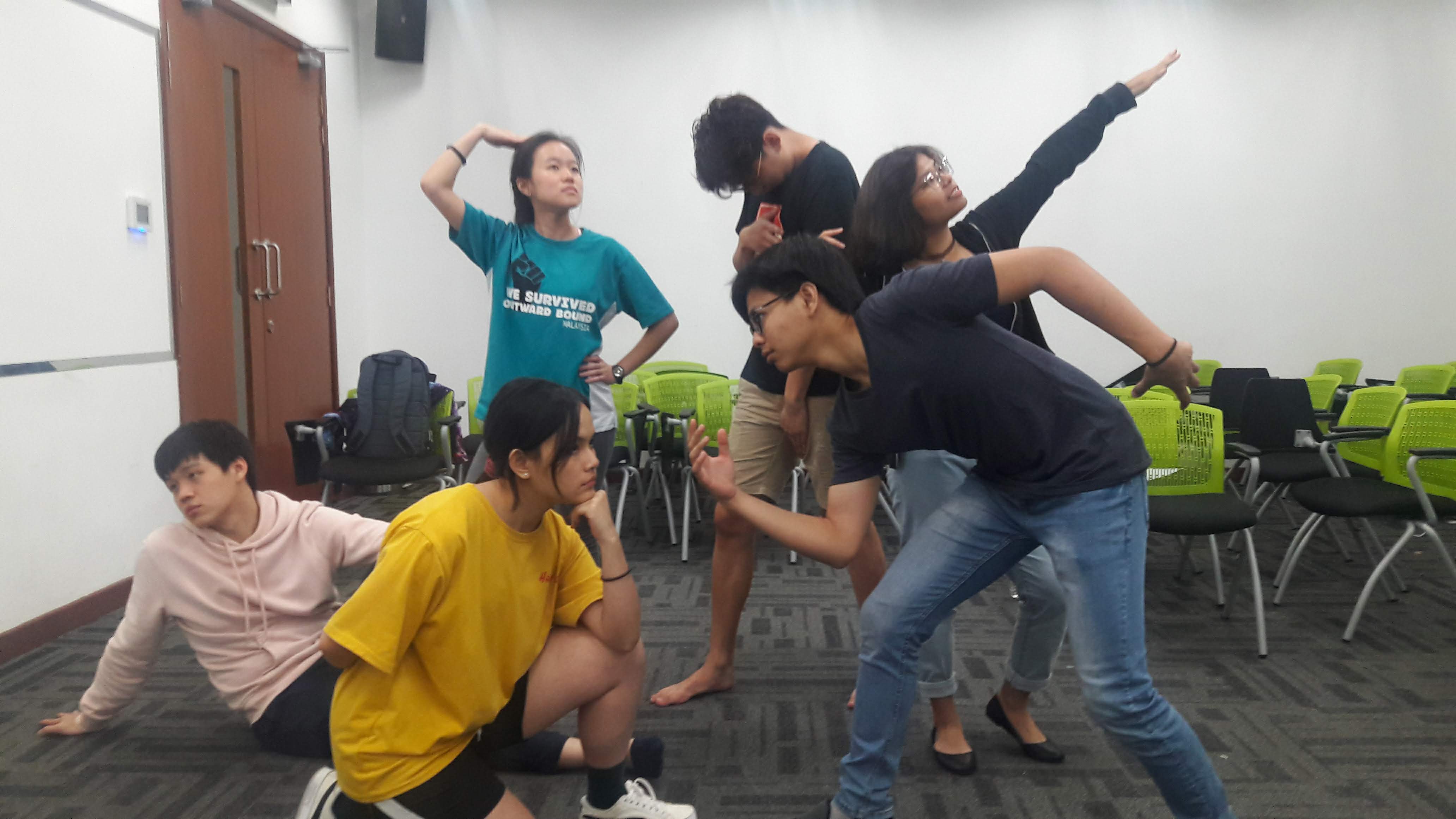
I am no expert in directing and script-writing. It is something I am continuously trying to improve on, and I am always eager to learn more. I just hope that I created a good experience for the people I was fortunate enough to work with.
Note: The full recording of the video will be uploaded onto LADS Youtube Channel!
All photos, videos, gifs, podcasts and infographics used in this blog are self-produced unless credited otherwise.
 Behind the Curtain